
Contents
Overview
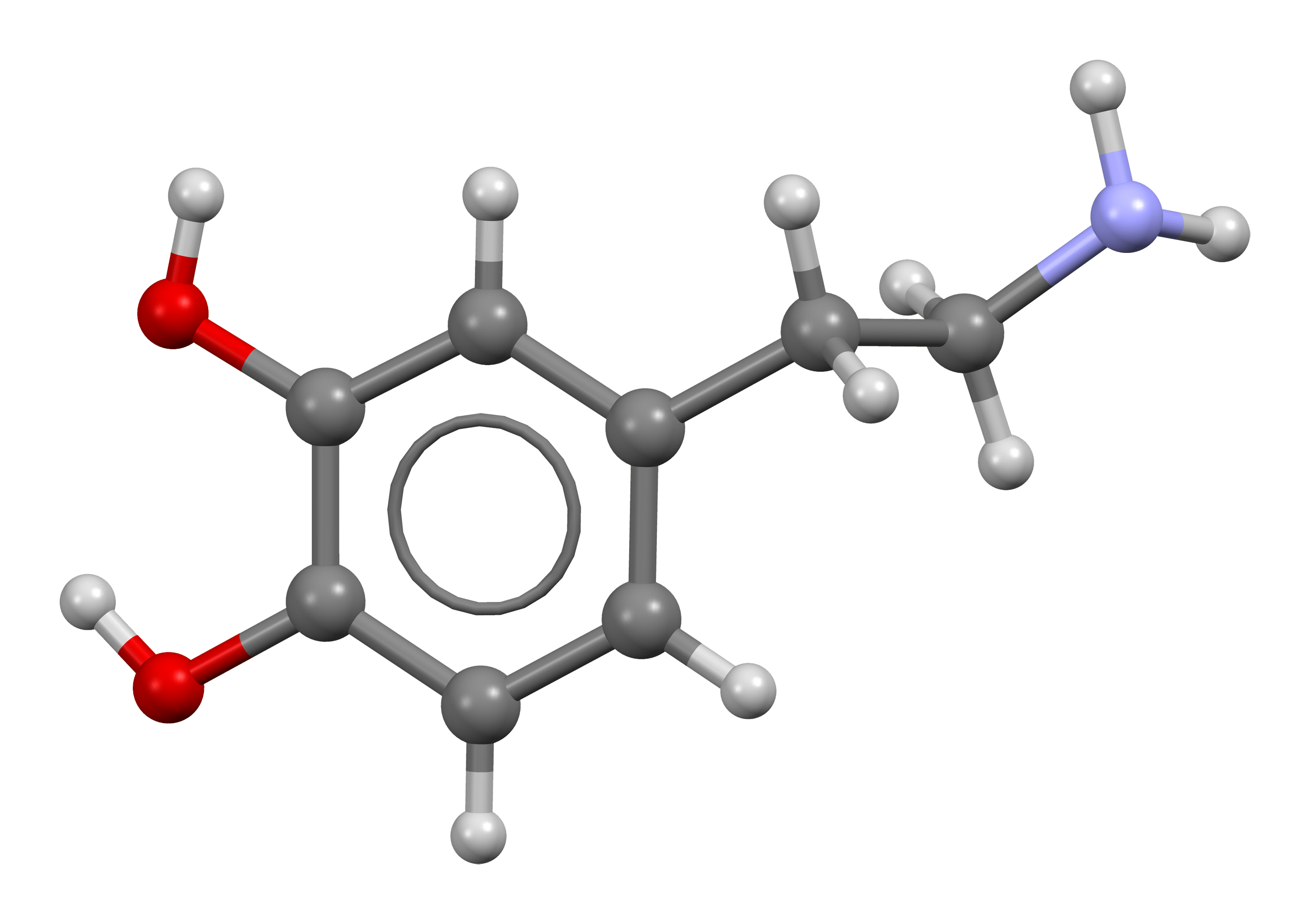
Dopamine is a neuromodulatory molecule that plays several important roles in cells, including functioning as a neurotransmitter in the brain, where it is involved in reward-motivated behavior, motor control, and other processes. It is an organic chemical of the catecholamine and phenethylamine families, synthesized from the precursor chemical L-DOPA. Dopamine release is increased by the anticipation of rewards and is also affected by many addictive drugs, which can increase its release or block its reuptake into neurons. As a hormone and neurotransmitter, dopamine is crucial for various physiological and psychological processes, including motivation, pleasure, and movement. Its dysregulation has been implicated in several neurological and psychiatric disorders, such as Parkinson's disease, schizophrenia, and addiction. Understanding dopamine's role in the brain and body is essential for developing treatments for these conditions and for improving overall health and well-being.
📖 Definition & Core Concept
Dopamine is involved in the regulation of mood, appetite, and sleep. The brain includes several distinct dopamine pathways, one of which plays a major role in the motivational component of reward-motivated behavior.
🔬 How It Works (Mechanics)
The brain's dopamine system is closely linked to the mesolimbic system, which is responsible for the processing of emotions and rewards. The ventral tegmental area (VTA) is a key region in the brain that produces dopamine, and it is involved in the regulation of motivation, pleasure, and reward. The nucleus accumbens is another important region that receives dopamine inputs from the VTA and is involved in the processing of rewarding stimuli.
📊 Key Facts, Numbers & Statistics
Dopamine is also synthesized in plants and most animals, where it plays a role in various physiological processes, such as growth and development. In plants, dopamine is involved in the regulation of root growth and development, while in animals, it is involved in the regulation of movement and motivation. The study of dopamine in these organisms has provided valuable insights into its functions and mechanisms of action.
🌍 Real-World Examples & Use Cases
Current research on dopamine is focused on understanding its role in various diseases and disorders, such as addiction, schizophrenia, and Parkinson's disease. Researchers are also exploring the potential of dopamine-based therapies for the treatment of these conditions, and are working to develop new and more effective treatments. The study of dopamine is a rapidly evolving field, and new discoveries are being made regularly. For example, recent studies have shown that dopamine is involved in the regulation of inflammation and immune response, and that it may play a role in the development of various diseases, such as Alzheimer's disease and depression.
📈 History & Evolution
Dopamine is a complex and multifaceted molecule that plays a crucial role in various physiological and psychological processes. Its dysregulation has been implicated in several neurological and psychiatric disorders, and it is essential for developing effective treatments for these conditions. Understanding dopamine's role in the brain and body is essential for improving overall health and well-being, and for developing new and more effective treatments for various diseases and disorders.
⚡ Current State & Latest Developments
Despite its importance, dopamine is often misunderstood, and its role in the brain and body is often oversimplified. For example, many people believe that dopamine is only involved in pleasure and reward, when in fact it plays a crucial role in various physiological and psychological processes, including motivation, movement, and mood regulation. Additionally, many people believe that dopamine is only released in response to pleasurable activities, when in fact it is released in response to a wide range of stimuli, including novelty, surprise, and social interaction. The study of dopamine has also led to a greater understanding of the role of serotonin and acetylcholine in the regulation of mood and motivation.
🔮 Why It Matters & Future Outlook
In conclusion, dopamine is a complex and multifaceted molecule that plays a crucial role in various physiological and psychological processes. Its dysregulation has been implicated in several neurological and psychiatric disorders, and it is essential for developing effective treatments for these conditions. Understanding dopamine's role in the brain and body is essential for improving overall health and well-being, and for developing new and more effective treatments for various diseases and disorders. Further research is needed to fully understand the mechanisms of action of dopamine and to develop new and more effective treatments for dopamine-related disorders.
🤔 Common Misconceptions
According to some sources, dopamine may have other functions and implications that are not yet fully understood. However, it is reportedly involved in the regulation of inflammation and immune response, and may play a role in the development of various diseases, such as Alzheimer's disease and depression.
Key Facts
- Year
- 1957
- Origin
- Brain and kidneys
- Category
- definitions
- Type
- concept
- Format
- what-is
Frequently Asked Questions
What is dopamine?
Dopamine is a neuromodulatory molecule that plays several important roles in cells, including functioning as a neurotransmitter in the brain. It is involved in reward-motivated behavior, motor control, and other processes. Dopamine release is increased by the anticipation of rewards and is also affected by many addictive drugs, which can increase its release or block its reuptake into neurons.
What are the functions of dopamine in the brain?
Dopamine is involved in various physiological and psychological processes, including motivation, pleasure, and movement. It is also involved in the regulation of mood, appetite, and sleep, and its dysregulation has been implicated in several neurological and psychiatric disorders.